


The name beryl is derived from the ancient Greek term for the same gem, beryllos. Beryl is a mineral composed of beryllium aluminium silicate. Well-known varieties of beryl include emerald and aquamarine bixbite (red beryl), morganite, aquamarine, heliodor (golden beryl) and goshenite. Beryls are fairly hard and can be worn in rings, earrings and necklaces. Caution should be exercised when wearing these gems in rings, however, as beryls can be brittle and chip easily, especially emeralds and red beryls, due to their generally higher quantities of inclusions.
Next to diamond, corundum is the hardest mineral known and is very compact and dense, with no cleavage. As a result, corundum is one of the best of all jewellery stones, especially star corundum, which is tough as well as scratch-resistant. Faceted gems are slightly brittle and can be chipped, though much less easily than other gems. Ruby is red corundum. All other colours of corundum are called sapphires.
Diamond is the hardest substance man has ever discovered in nature. Diamonds have a characteristic chemical composition and crystal structure that make them a unique member of the mineral kingdom, as it is the only type of mineral to be composed of 99.95 per cent carbon. “Diamond” derives from Ancient Greek adamas, meaning “invincible.” Besides describing the stone’s physical strength, it also referred to myths that diamonds could protect one from death.
Garnet is the collective name for a group of minerals that are related in composition and crystal structure. Gem-quality garnets are transparent to translucent and have a bright lustre. The name garnet comes from the Latin granatus due to the resemblance of the red crystals to the colour of pomegranate seeds. There are more than twenty garnet categories, called species, which produce gemstones of almost every colour, from reds, greens (Tsavorite and Demantoid), oranges (spessartite), pinkish oranges, deeply saturated purplish reds (rhodolite), and even some blue.
Opal is an amorphous hydro-silicate that belongs to the mineraloid family, unlike other gemstones like diamonds or rubies, it lacks a crystalline structure. Their kaleidoscope of colours and internal flashes of light are caused by microscopic silica spheres organised in a three-dimensional network. Opals come in a variety of colours and varieties, including black, white, boulder, crystal, fire, and Ethiopian opals. They are thought to foster love and romance, inspire creativity and inspiration, and support spiritual development and awareness.
Whilst most gemstones are mineral materials, organic gemstones are the by-product of natural biological processes, such as sap running from an ancient tree, an irritant in an oyster’s mantle, or the shell of a long extinct sea creature. There are typically four classes of organic gemstones that are sought after for their natural appeal and rarity: amber, coral, jet, and pearl. Whilst not as tough as gemstones made from minerals, organic gemstones are in a unique class of their own.
Tourmaline gets its name from the word toramalli, a Sinhalese word which means “mixed gems”. Gemologists use a tourmaline’s properties and chemical composition to define its species. The major tourmaline species are elbaite, liddicoatite, dravite, uvite, and schorl. Tourmaline has range of colours. From Rubellite (pink, red, purplish reds) Indicolite (dark violetish blue, blue, or greenish blue) Paraíba (an intense violetish blue, greenish blue) Chrome (intense green) Particoloured tourmaline displays more than one colour and Watermelon tourmaline is pink in the centre and green around the outside.
Topaz gets its name from the old Greek name for the island of Topazios in the Red Sea. A fluoro-silicate of aluminium, Topaz is usually colourless, but can be white, yellow, light shades of grey, blue, orange, brown, green or pink. The most common colour of Topaz is blue, and the rarest is Imperial Topaz, the most valuable variety of Topaz, which features intense natural hues ranging from golden yellow/orange to a vibrant pink/red. Unlike other gemstones, Topaz’s colour is not always due to the impurities in the crystal that give topaz its colour. Traditionally, it was believed that keeping topaz in the home would bring good health and dispel bad luck.
As the second most abundant mineral in Earth’s crust, this silicon dioxide mineral occurs in many different colours and varieties and includes the more transparent to translucent stones such as Amethyst, Citrine, Prasiolite, Smoky Quartz and Rose Quartz (macrocrystalline quartz) as well as incorporating a whole host of other gems, such as Chalcedony, Onyx and Jasper (cryptocrystalline quartz) The word Quartz is believed to have originated in Eastern European countries, where the word ‘quarz’ was used to mean ‘hard’.
Zoisite is a calcium aluminium hydroxy sorosilicate, belonging to the epidote group of minerals and is usually found in small quantities. Transparent and colourful specimens have been used as gemstones and may be blue to violet, green, brown, pink, yellow, grey, or colourless
Zoisite is the mineral of some very diverse gem materials, one being the extremely popular tanzanite, which was discovered in the 1960s and immediately became one of the world’s most popular gems.


A Handpicked Selection of Loose Gemstones
Whether you’re a collector or simply looking for that perfect gemstone to complete your jewellery piece, we source an excellent range of high-quality loose gemstones. Each gemstone is chosen for its brilliance and quality, ensuring you find exactly what you’re looking for.
Prices are not listed but personalised advice is available upon enquiry.
- All
- Amethyst
- Aquamarine
- Tanzanite
- Garnet
- Tourmaline
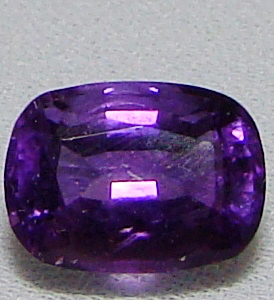
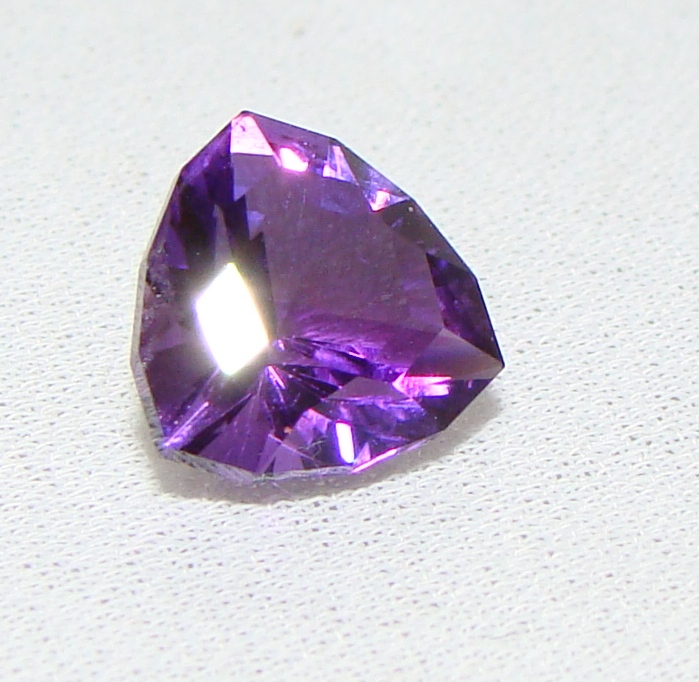
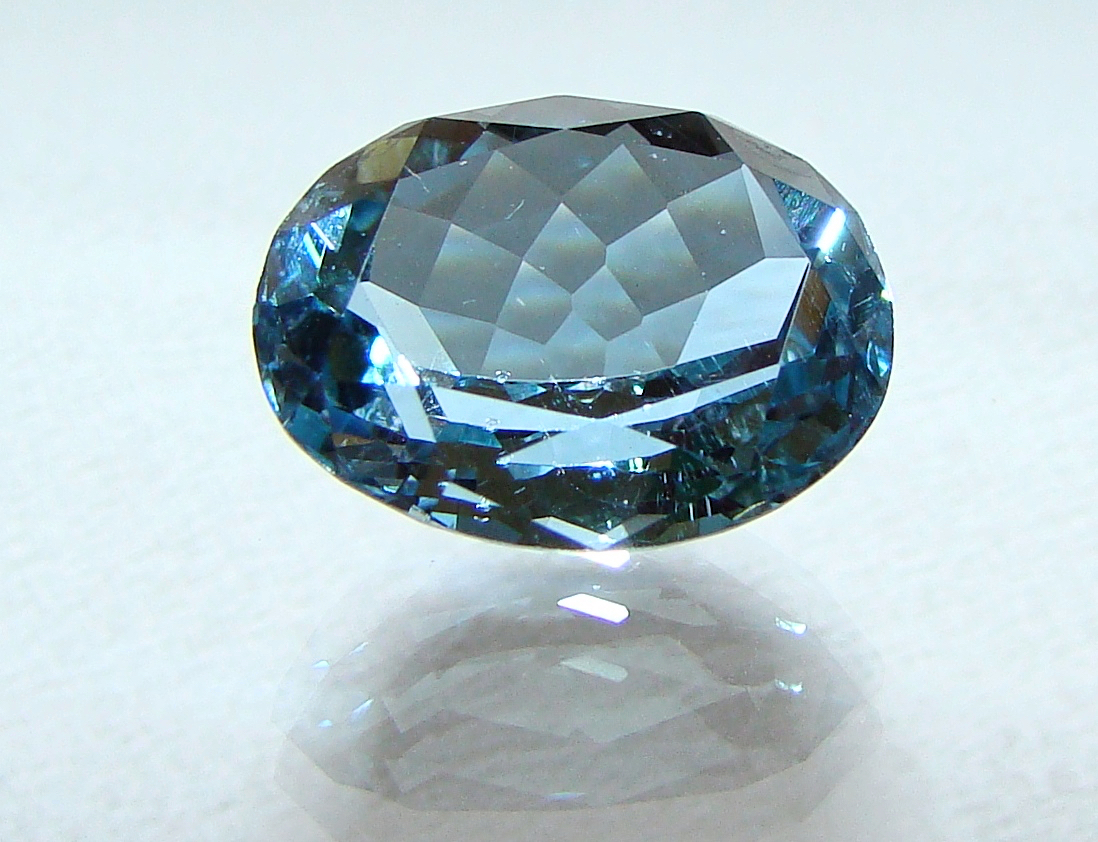
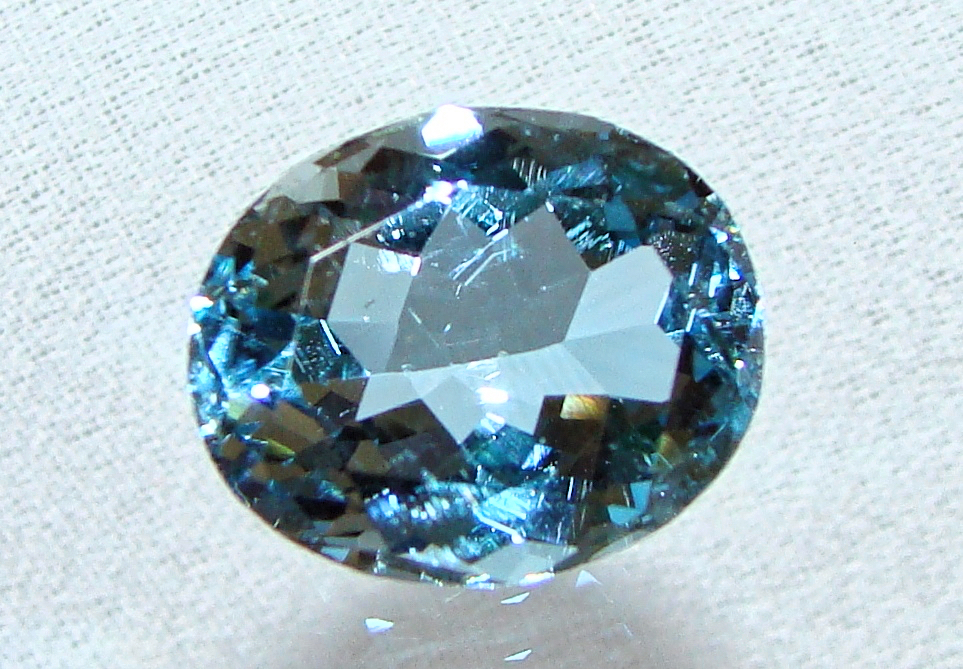
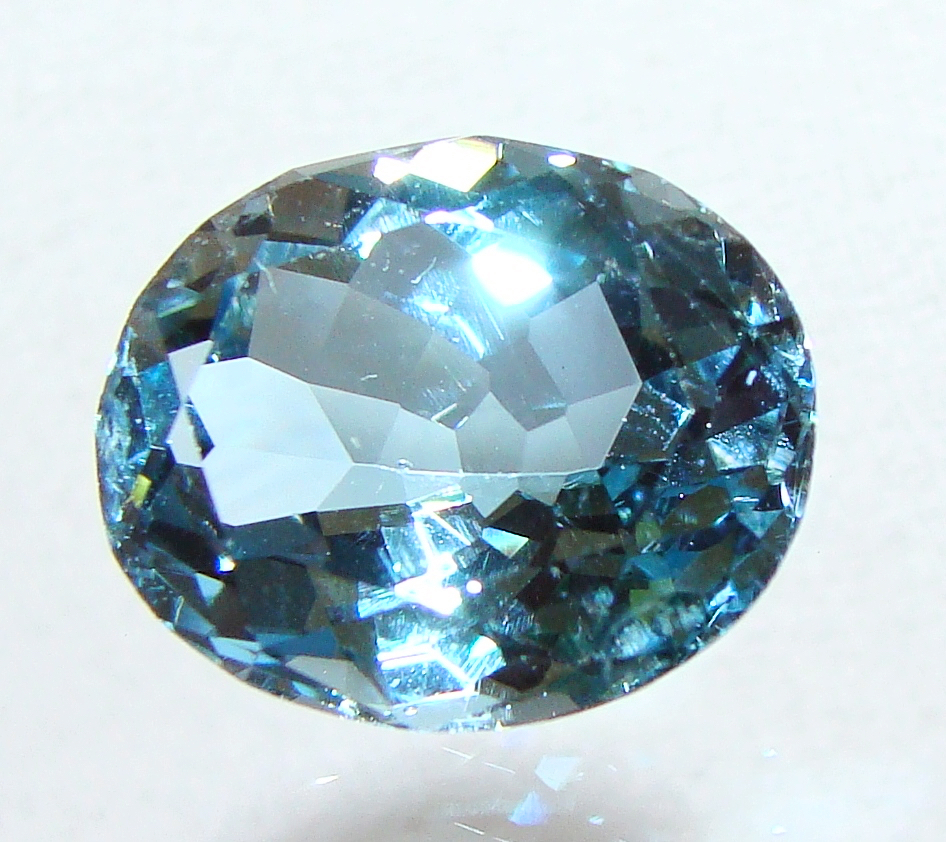
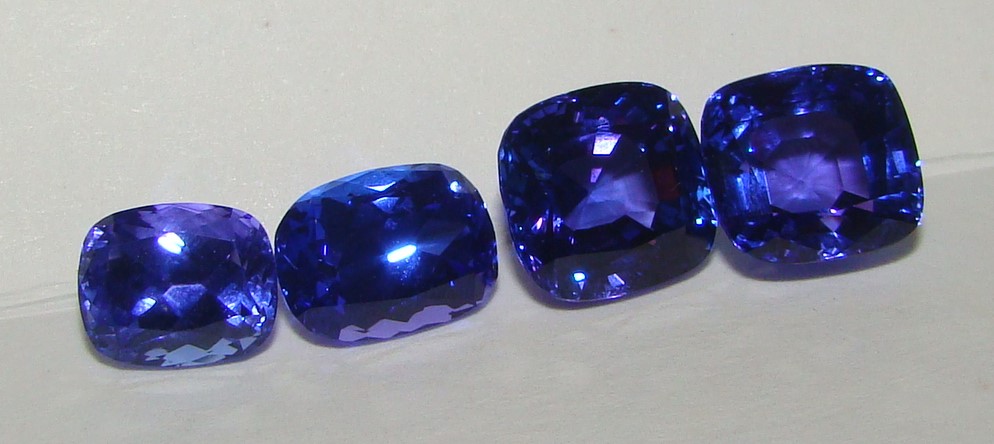
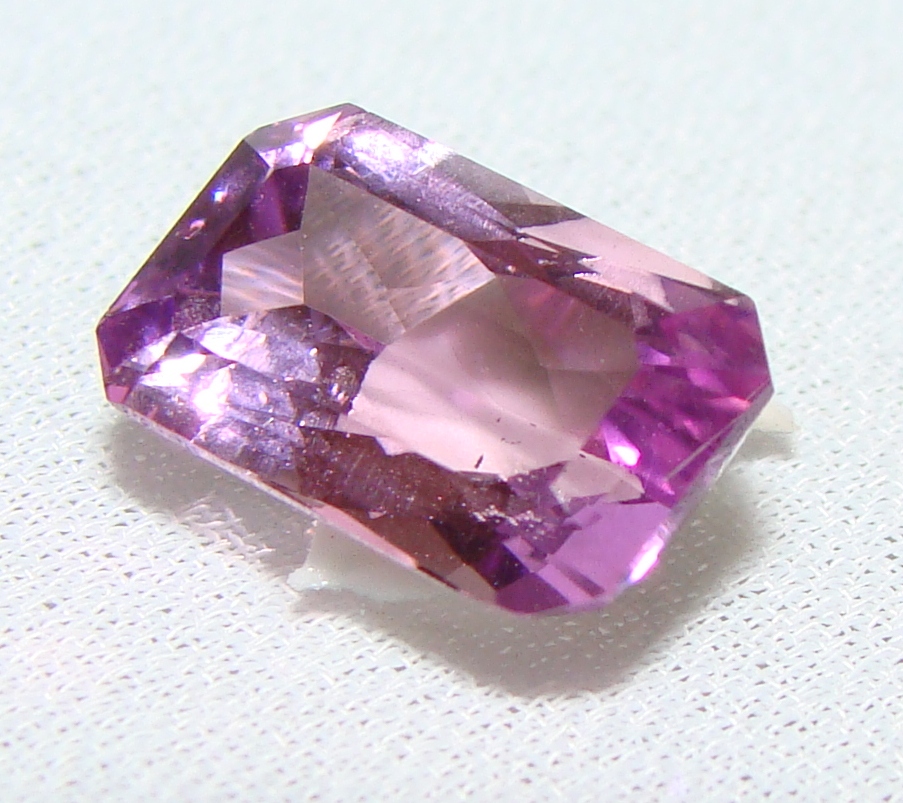
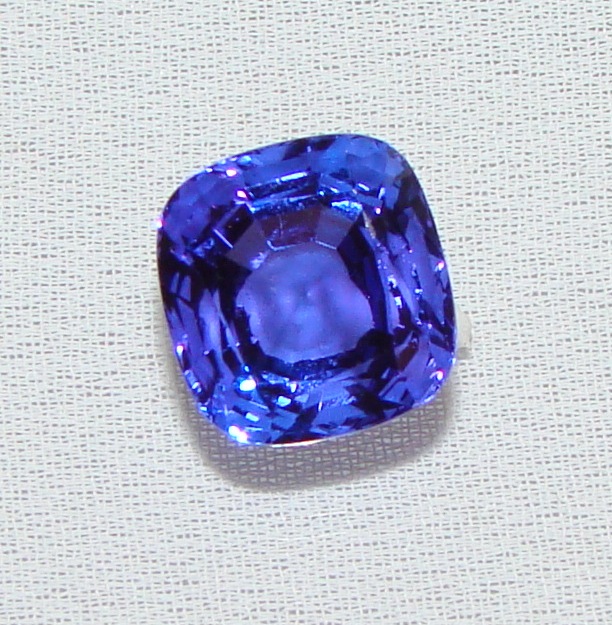
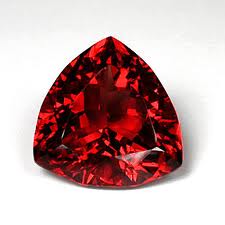
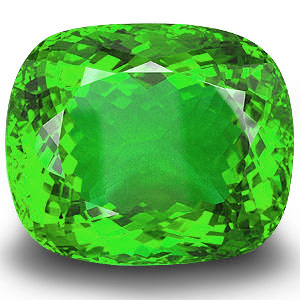
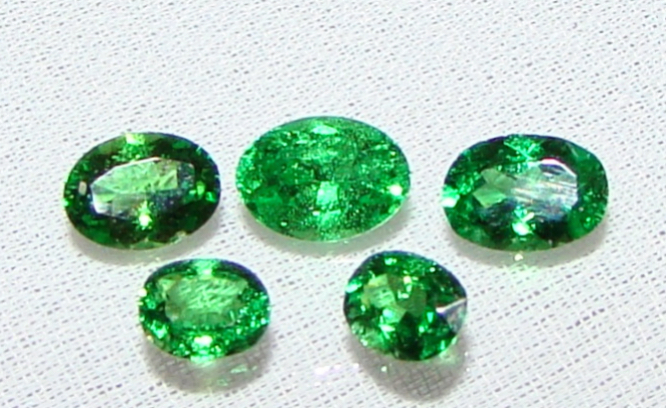
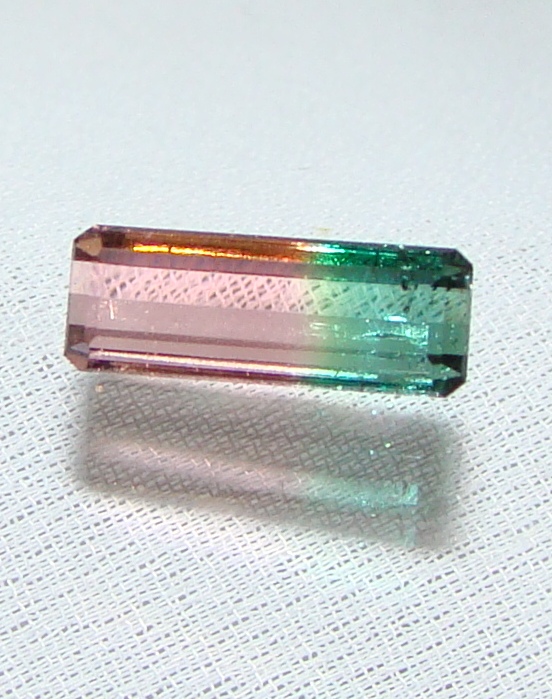
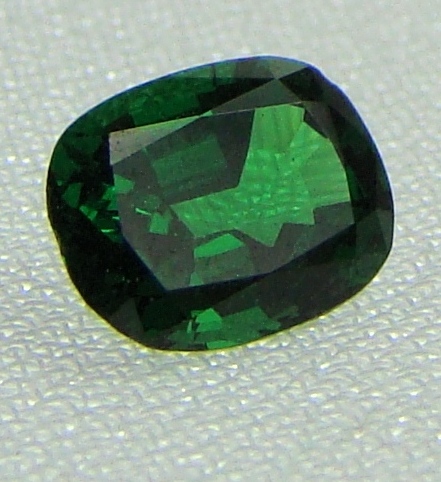
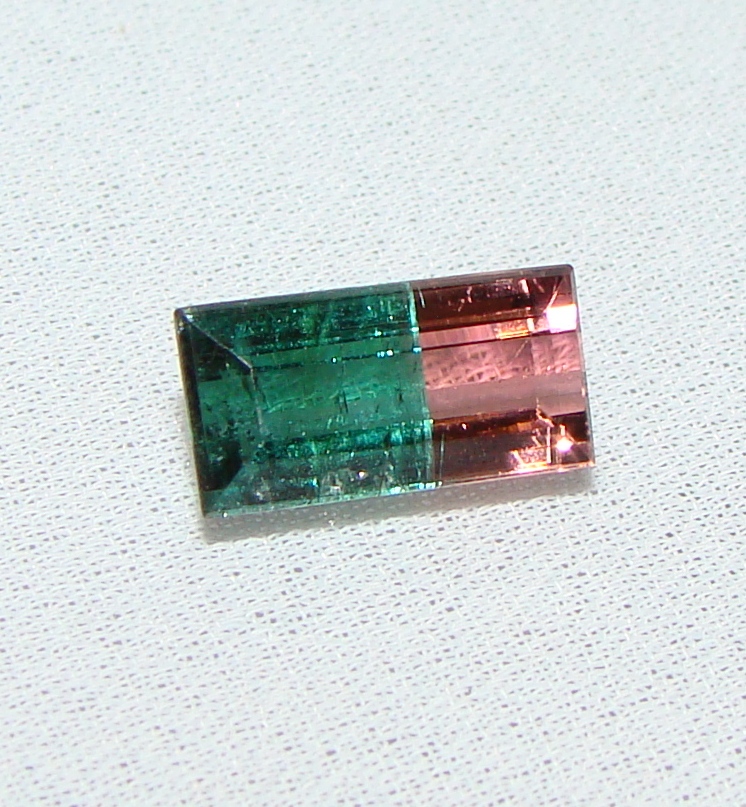
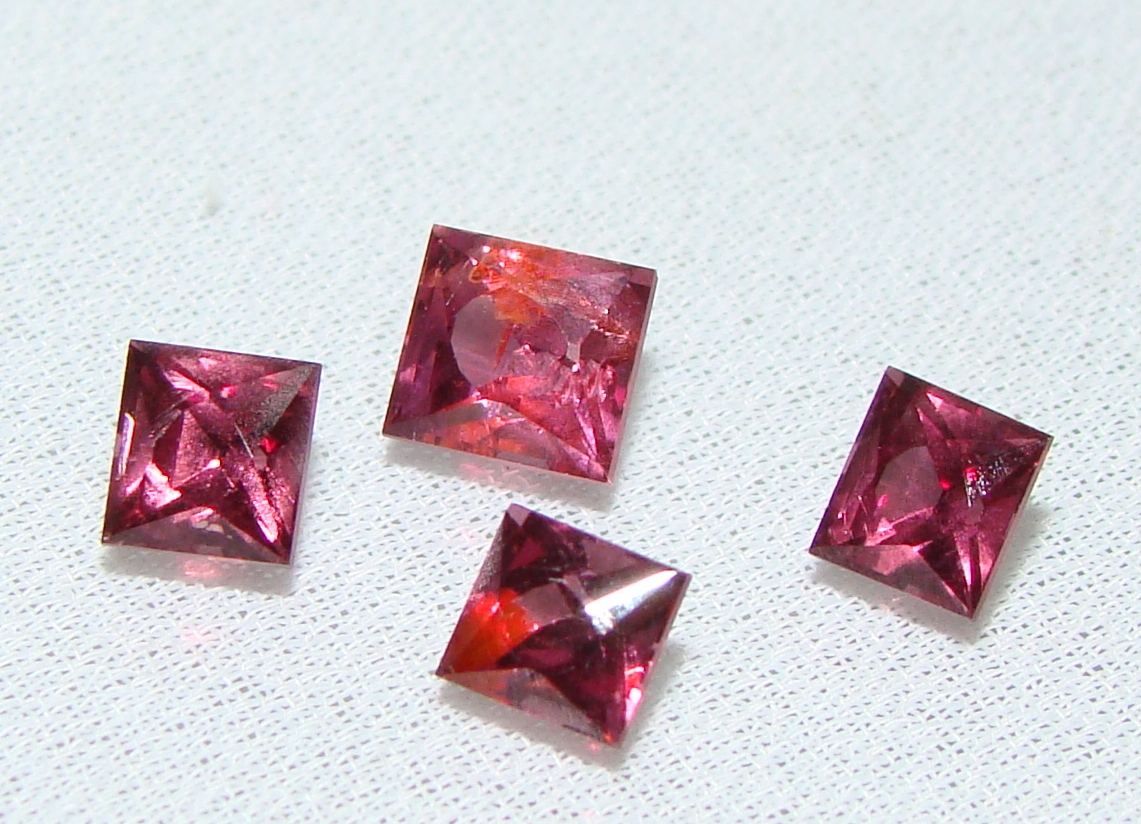
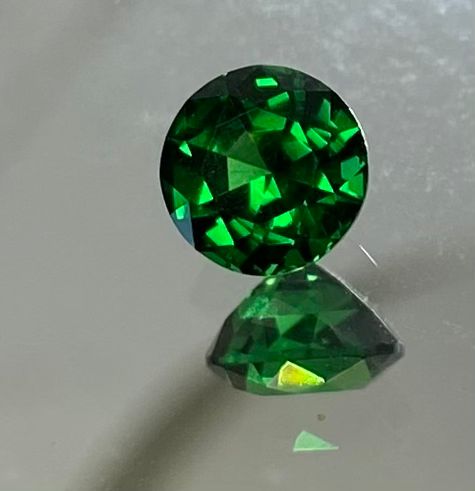
Image Not Found! Try Again